Potholder Quote Design, Christmas Calori
First Impression: Warm, Witty, and Ready for the Kitchen Counter
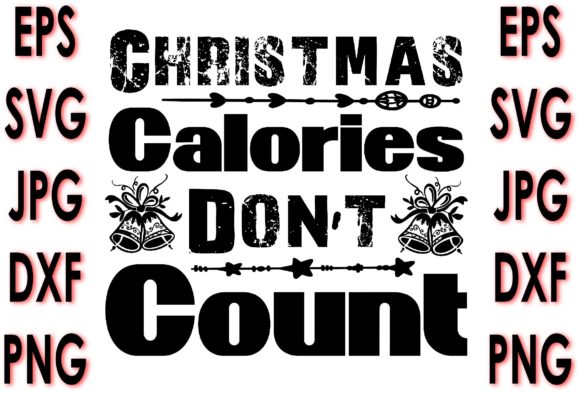
When I opened the Potholder Quote Design, Christmas Calori file set, my first thought wasn’t “cute holiday clip art”—it was “this feels like a real kitchen moment.” The phrase *Christmas Calories Don’t Count* lands with gentle humor and seasonal warmth—not forced, not ironic, just authentically festive. Visually, it’s clean-lined and balanced: compact enough for a potholder or tea towel, yet legible at 3–4 inches wide. There’s no ornate script or excessive flourishes—just confident, rounded sans-serif lettering with subtle spacing that breathes well when stitched. It doesn’t scream “embroidery design”; it whispers “I belong on something you’ll actually use.” That’s rare in holiday-themed Graphics.
A Real-World Test: Stitching It onto a Linen-Cotton Tea Towel
Last week, I prepped a batch of custom holiday gifts for a local boutique—linen-cotton blend tea towels, medium-weight, slightly textured. I chose Potholder Quote Design, Christmas Calori for three reasons: its scale fits perfectly in a 4×4 hoop, its message resonates with adult craft buyers (not just kids or cliché Santas), and its minimal detail avoids stitch pile-up on absorbent fabric. I ran it as a simple satin-stitched outline with a light fill stitch in the letter interiors—not dense, not heavy. Result? Crisp edges, zero thread nesting, and a tactile finish that felt handmade without looking amateur. Customers loved how it looked *on* the towel—not floating over it, but integrated into the item’s purpose. That’s what makes this more than clip art; it’s functional design language.
Where It Shines—and Where It Needs Thought
- Custom apparel: Works beautifully on sweatshirt cuffs, apron pockets, or the lower back of a relaxed-fit tote bag. Avoid full-front chest placement on thin t-shirts—the text density may feel overwhelming unless resized down to 2.5” max.
- Baby embroidery & nursery decor: Tread carefully. While sweet in tone, the calorie reference isn’t baby-specific. Better suited for parent-facing items (mugs, oven mitts, mom’s apron) than ones labeled “for baby.”
- Embroidered patch or cap front: Possible—but only with careful stabilizer choice. On curved surfaces like caps, test the layout in your embroidery software first. The even letter width helps, but tight corners in “R” and “D” need checking at actual stitch size.
- Dark fabric or layered garments: Use high-contrast thread (e.g., cream on navy, white on charcoal). The design’s open spacing means it won’t vanish—but always preview in black-and-white mockups to confirm readability.
- Frequent-wash items (kitchen towels, oven mitts): Prioritize polyester thread and tear-away + cut-away stabilizer combo. Fill stitch areas hold up fine, but avoid scaling beyond 4.5” where stitch density could compromise durability.
What This Design Says About Your Craft Business
Using Potholder Quote Design, Christmas Calori in your Etsy shop or small shop product line quietly signals taste and intention. It’s not generic “Merry Christmas”—it’s conversational, inclusive, and subtly clever. That builds trust. Buyers recognize effort: they see a design chosen *for* the item, not pasted *onto* it. When stitched cleanly on a hand-dyed cotton apron or a heavyweight canvas tote, it elevates the whole finished product. It also photographs well—clean lines translate reliably to printable mockups, which matters if you’re listing on Etsy or building a cohesive Instagram feed. For digital product sellers, this is strong design assets material: versatile, seasonally relevant, and commercially safe (assuming license permits resale of physical goods—always verify).
Practical Embroidery Designer Notes You Can’t Skip
- Test on scrap fabric first—especially with textured weaves. Linen, burlap, or slub cotton can distort letter spacing if stabilizer is too light.
- Check thread color contrast early. What reads clearly on screen may blur on dark fabric. Try matte vs. glossy thread finishes—matte often reads cleaner on kitchen textiles.
- Review stitch density before hooping. If your machine allows, reduce fill stitch density by 10–15% for breathable fabrics like tea towels or lightweight aprons.
- Confirm hoop size compatibility. Though designed for potholders, many users will adapt it to 5×7 or larger hoops—verify proportions don’t stretch awkwardly.
- Inspect tiny details in actual stitch simulation. Look closely at inner counters (like the “o” in “Don’t”)—they should remain open, not fill in.
- Use proper stabilizer for your base fabric. Cut-away for knits, tear-away for stable wovens, and fusible + tear-away for lightweight linens.
- Confirm licensing before selling finished items. The product description states use for scrapbooking and cut machines—double-check whether commercial embroidery rights are included.
Final Thought: A Design That Fits Like a Well-Worn Apron
Potholder Quote Design, Christmas Calori isn’t flashy. It doesn’t need glitter or animation to land. It’s the kind of embroidery file that works hardest when it’s *not* trying too hard—when it supports the item instead of competing with it. Whether you’re stitching holiday gifts for family, building a small-batch craft business, or sourcing reliable design assets for client work, this one earns its place in your library. It’s practical, personable, and quietly professional—exactly what handmade products need to stand out in a crowded Crafts marketplace. Just remember: let the fabric, the thread, and the intent guide you—not the file name alone.